eNews
#05 2025
Adding critical skills to the field scientist toolbox: First aid and fire safety training
By Prof. Dave Thompson, Scientist, Ndlovu Node, NRF-SAEON
Field scientists possess a wide range of highly specialised skills depending on their specific research discipline (e.g. ecology, atmospheric science, hydrology, marine science). Yet several core skill sets are broadly applicable across most field-based research roles: 1) scientific and technical skills, including data collection, sampling techniques, instrumentation and record-keeping; 2) analytical and critical thinking skills, including problem-solving, data interpretation and hypothesis testing; 3) geospatial skills such as navigation and GIS; and 4) observation and identification skills, and environmental awareness.
Field scientists often work in remote, harsh or unstable environments where safety risks are high due to nature, wildlife or human conflict. Take for example the risk of altitude sickness, falls and extreme weather associated with working in mountainous areas. Or the threat of wildfires, smoke inhalation and potentially dangerous game when working in fire-prone savannas. Drowning, cold and decompression sickness would be cause for concern for scientists working in offshore marine environments. The list of potential hazards proliferates across scientific disciplines and their array of field sites, the remoteness of which can often bring navigation challenges, limited contact and delayed rescue options.
First aid and wilderness survival
To successfully navigate these risks, field scientists need to draw on a set of practical skills centred around survival and safety, physical fitness, and troubleshooting and planning. Paramount in the former – survival and safety, is first aid and wilderness survival.
Equipment management, thorough field campaign planning, risk assessment of potential hazards, and environmental awareness all contribute to reduce in-field risk. But accidents – both minor and major unforeseen events – can and do happen and can easily constitute an emergency in remote environments where medical or emergency support is distant. Here appropriate first aid and fire safety training ensure personal safety and the wellbeing of other team members.
The often-remote nature of these environments presents unique challenges that require field scientists to be self-reliant and prepared for unforeseen incidents. Taking steps to ensure health and safety in the workplace is required for compliance with legal regulations. However, if we extend the employee workplace to include the wild, then the right training can make the difference between a manageable situation and a life-threatening emergency.
Navigating the wild workplace
The wild workplace for the SAEON Ndlovu team – often including postgraduate students, interns and visiting researchers, includes remote higher altitude grassland and lowveld savanna field sites with potential external hazards seemingly at every turn. Flammable vegetation and uncontrolled fire (Figure 1), suffocation, rocky and steep terrain (Figure 2), dangerous (Big 5) game (Figure 3), venomous animals, poisonous plants, extreme heat and humidity, dehydration, motorised power tools, rapidly changing and extreme weather, and lightning, vehicle accidents when travelling to research sites, getting lost, and even armed poachers. Underlying medical conditions can also present as emergencies.
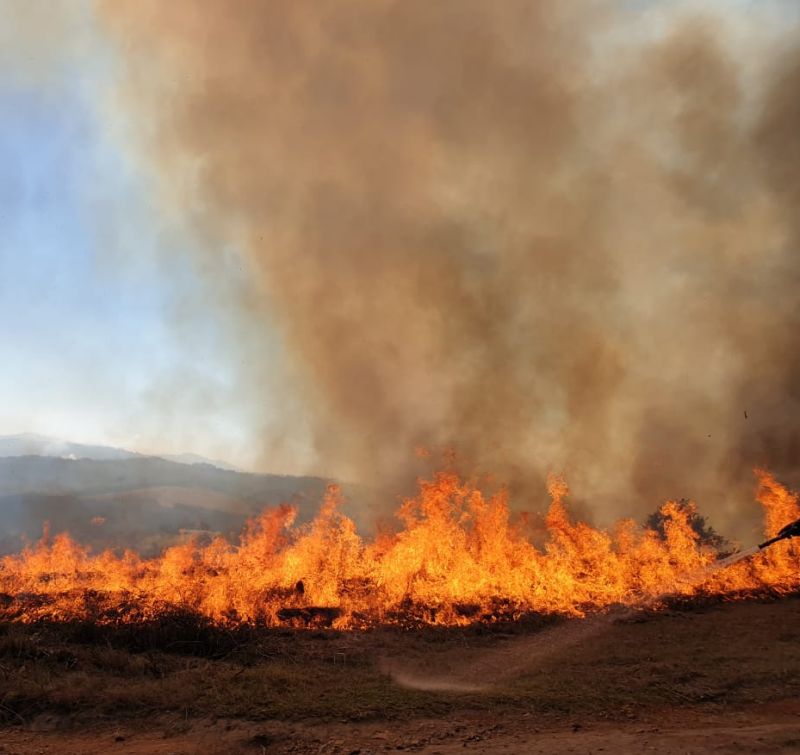
Figure 1. Savanna and grassland ecosystems are highly flammable, particularly at the end of the dry season. Proper planning and understanding fire behaviour are key to reducing on-site risk.
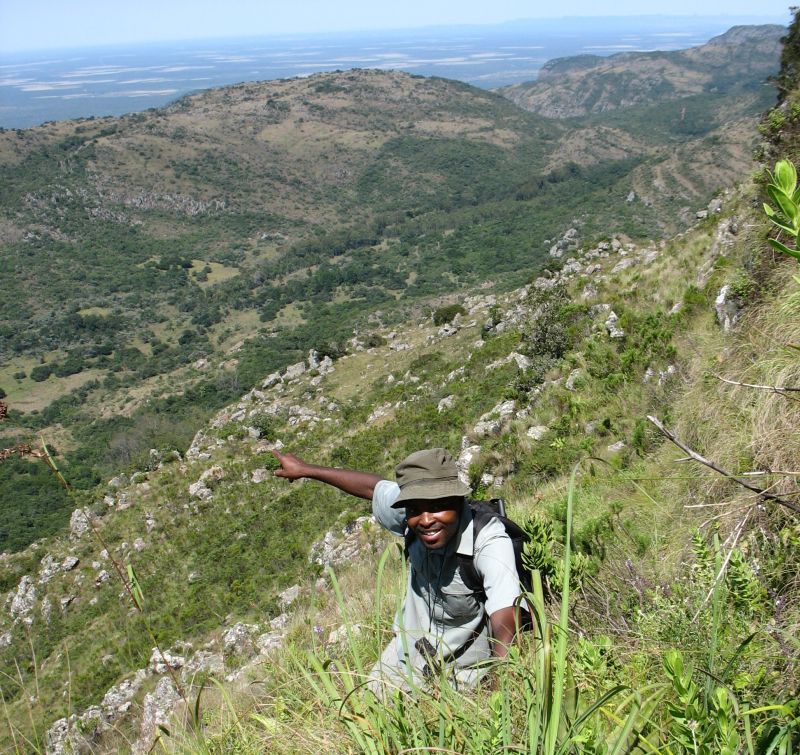
Figure 2. Accessing research sites in higher-altitude grasslands can involve navigating steep mountain slopes.
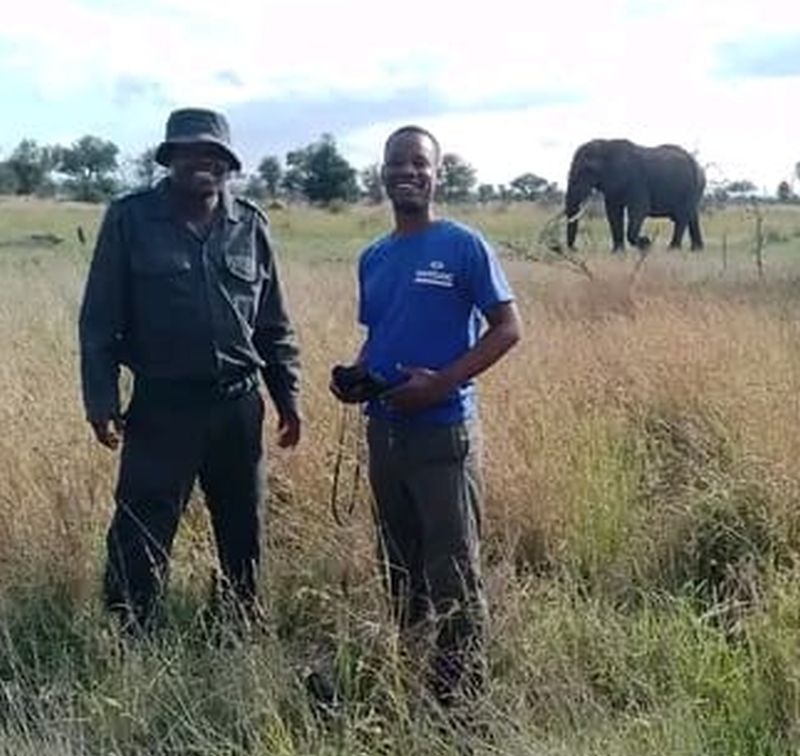
Figure 3. Working in Big 5 conservation areas requires constant vigilance to minimise potentially dangerous interactions with wildlife.
To better prepare for self-reliance when working at field sites, the Ndlovu team recently undertook week-long training in First Aid Levels 1 and 2, and basic firefighting. Staff were empowered to respond quickly and effectively to injuries, medical emergencies and sudden health crises, being taught how to perform basic yet essential tasks (Figure 4) including cardiopulmonary resuscitation (CPR), wound and burn care, stabilisation of fractures and sprains, choking assistance, and how to recognise and manage conditions including shock, strokes and heart attacks.
Apart from teaching hands-on preparedness, Ndlovu team members also walked away with the confidence to assess a situation quickly and act decisively and calmly during an emergency, which is vital as the first few minutes following an incident are the most crucial. Combined, this knowledge enables field workers to stabilise injured colleagues, manage severe conditions and prevent minor injuries from worsening until proper medical care becomes available.
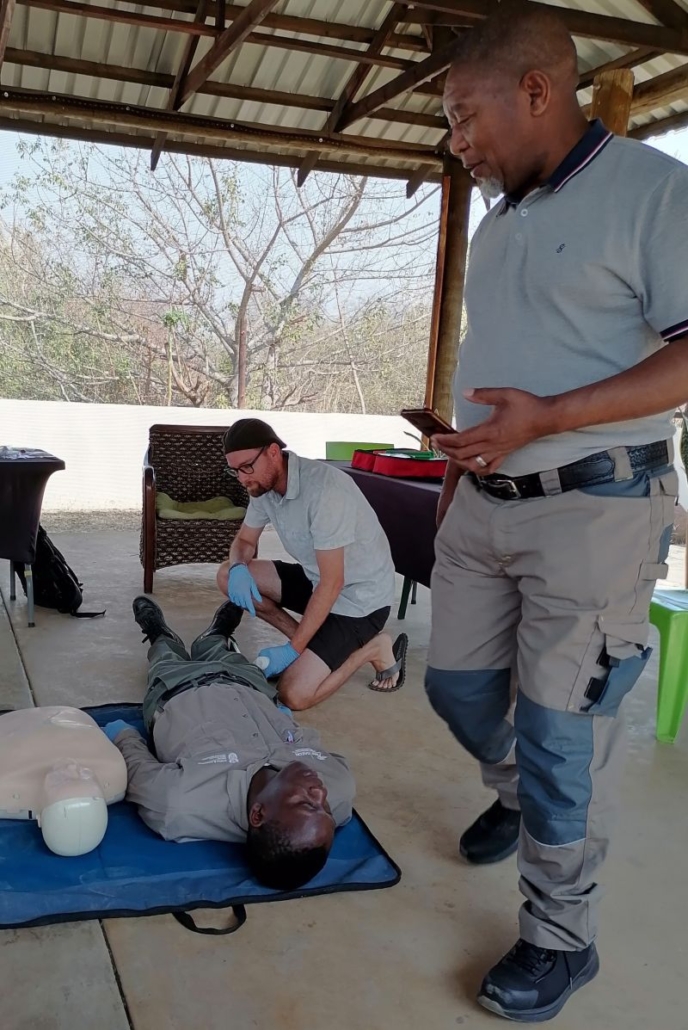
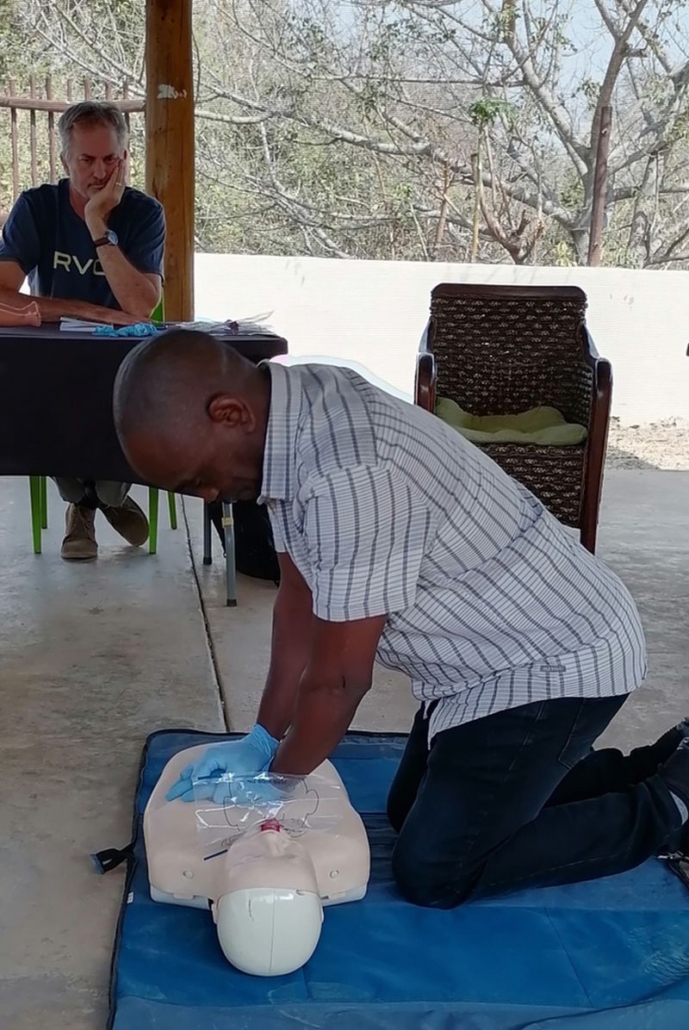
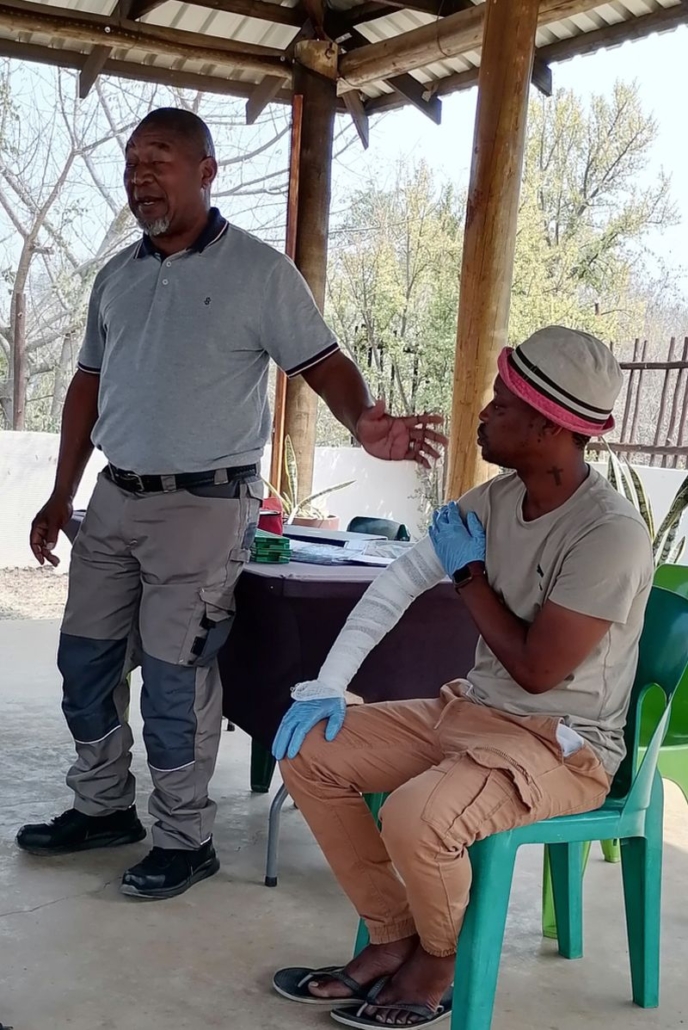
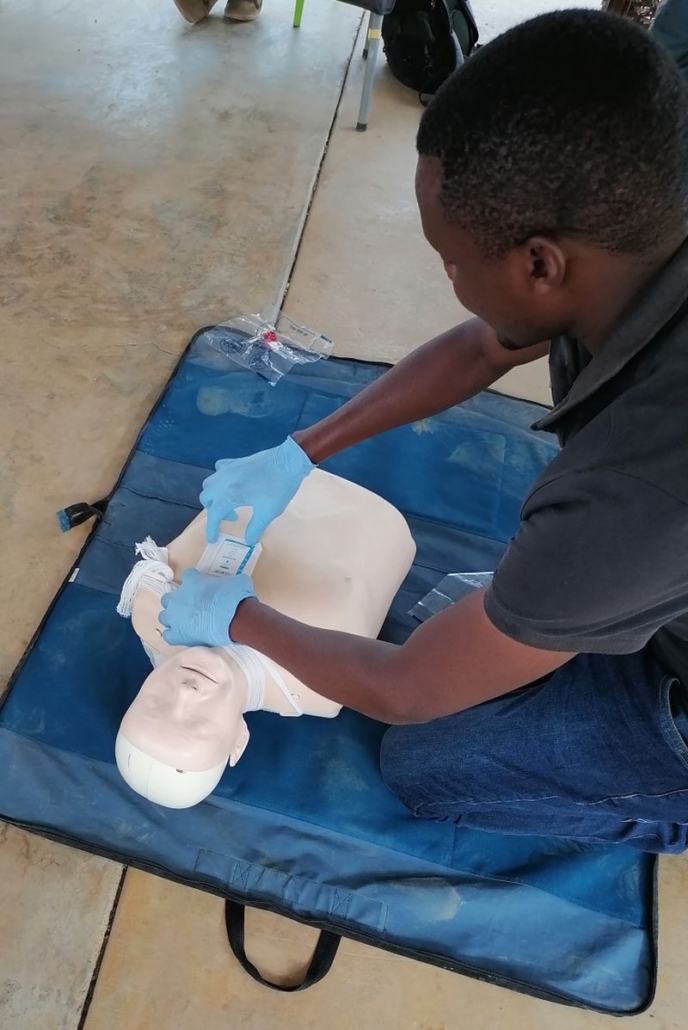
Figure 4. Ndlovu staff practiced several essential care tasks, including assessing and managing an incident scene (left), cardiopulmonary resuscitation (2nd from left), and burn (3rd from left) and wound (right) dressing.
Likewise, fire emergencies can escalate quickly in outdoor areas where wildfires, equipment malfunctions or even human error can quickly lead to dangerous situations. Following training, Ndlovu team members were equipped with fire-prevention knowledge, including an understanding of fire behaviour (Figure 5) and skills on how to identify fire hazards, evacuate safely and manage fire risks, all of which mitigate the severity of damage and injury. Training also included recognising burn severity, and appropriate burn wound care.
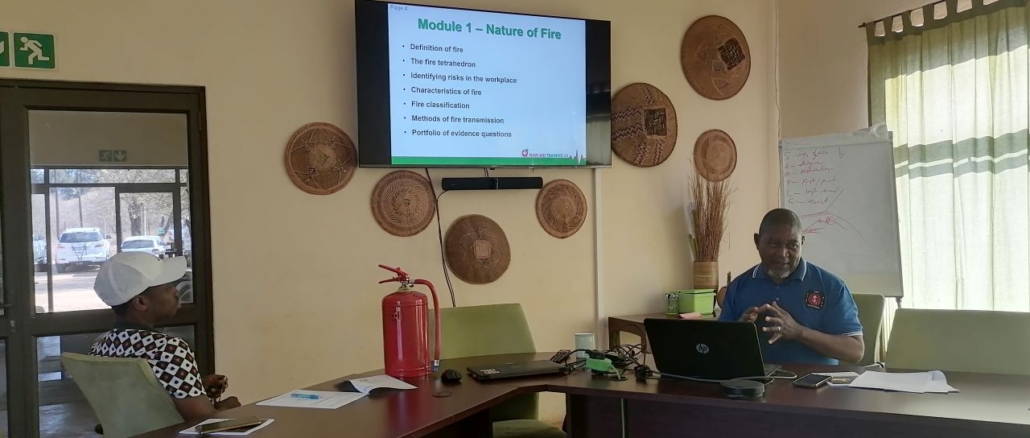
Figure 5. Part of the training included a thorough overview of fire behaviour, critical in assessing fire risk and mitigation.
The course also reinforced the critical importance of being prepared for any eventuality when working in remote and potentially dangerous areas, including access to appropriately stocked first aid kits and personal protective equipment (PPE). The specific PPE needed depends on the particular hazards of the site, and for the Ndlovu team can include items such as sun-protection clothing, rain gear, gloves and safety footwear to reduce personal risk. However, PPE can also include items such as disposable gloves, one-way resuscitation mouthpieces and mask respirators to ensure personal wellbeing when performing first aid on others. Such items should also be included in first aid kits.
Working in a high-stress environment such as remote and potentially dangerous field sites requires both physical and mental resilience. The latter extends to a first aider remaining calm under pressure, making quick and informed decisions, and providing appropriate care.
Knowledge is power, and the first aid and fire safety training received by SAEON Ndlovu has empowered node staff to more thoroughly prepare for the wild, where they can better ensure not only their own well-being but also that of their team.